Stop Wasting Greens: Your Kitchen Herb Garden Starts Today!
That moment when you find a bunch of sad, wilted coriander in the fridge is frustrating—and totally avoidable. If you’ve ever wondered if it’s truly possible to have a continuous, fresh supply of aromatic kitchen herbs right at home, the answer is a resounding yes!
India’s climate, with temperatures often ideal between 20 and 30 (as noted by the Indian Council of Agricultural Research, ICAR), is perfect for balcony and windowsill gardening. Growing herbs is easily the most rewarding hobby you can start.
This guide will walk you through the most reliable, flavor-packed herbs that thrive in Indian conditions, ensuring your kitchen is always stocked with pesticide-free, fragrant greens.
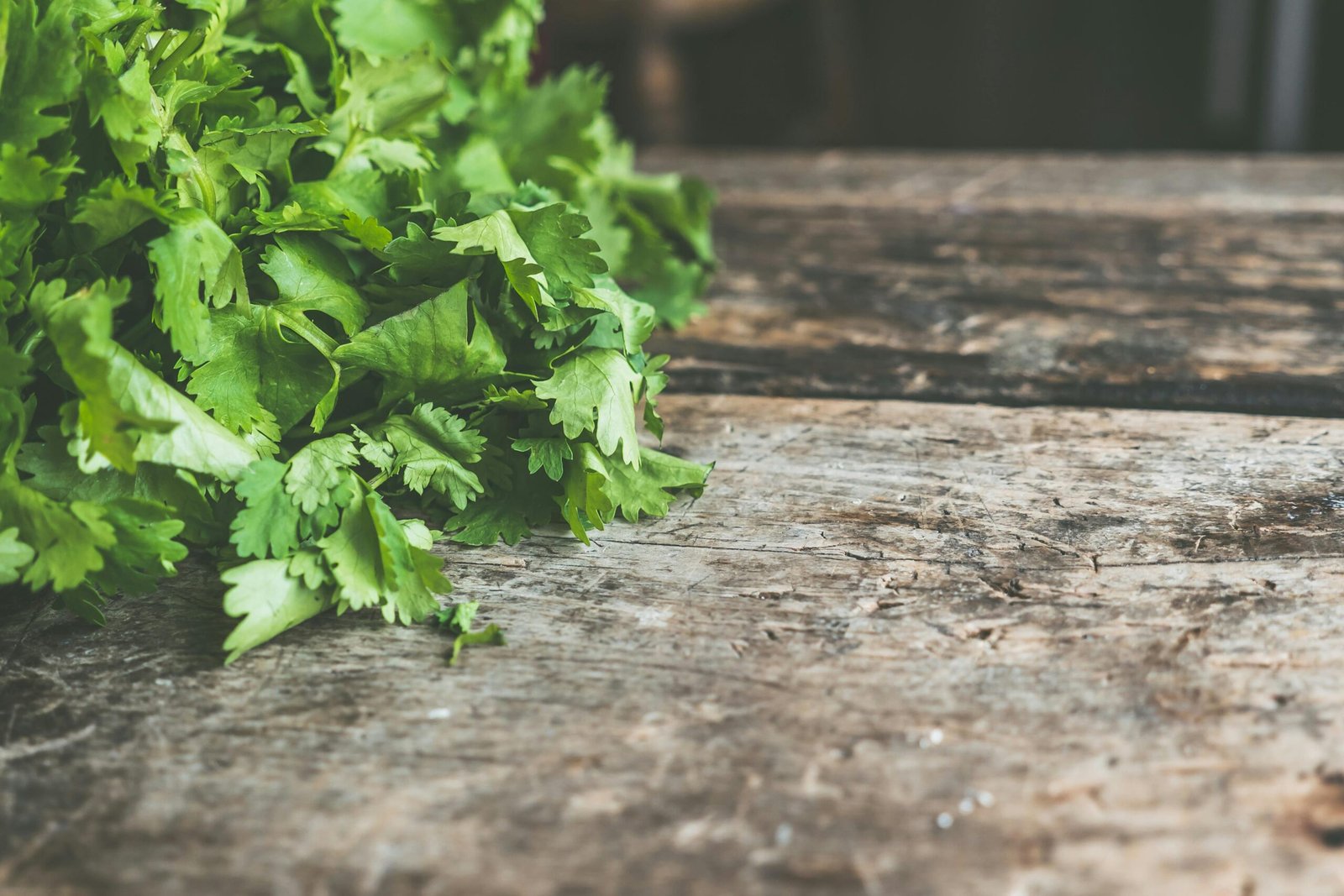
Why Homegrown Herbs Are Always Better
Beyond the convenience and cost savings, growing your own offers significant benefits:
- Richer Flavor & Aroma: Homegrown herbs are intensely fragrant and taste superior to store-bought varieties.
- Pesticide-Free: You control the inputs, guaranteeing a clean, natural ingredient for your meals.
- Wellness Boost: Many Indian herbs, like Tulsi (Holy Basil), are integral to Ayurveda, known for boosting immunity, reducing stress, and aiding digestion.
- Instant Greenery: They add life, oxygen, and a calming presence to any space.
The Best Herbs to Grow Easily at Home in India
The secret to success is choosing herbs that naturally love our warm, often humid environment. Whether you have a sunny terrace or a small apartment window, you can create a productive herb corner.
Here is a quick look at the easiest winners for your indoor herb garden:
| Herb (English) | Indian Name | Light Requirement | Water Needs | Best Tip for Success |
| Tulsi | Holy Basil | Full Sunlight | Moderate, Regular | Pinch leaves frequently to encourage bushier growth. |
| Mint | Pudina | Full to Partial Sun | Keep soil moist | Plant separately—it spreads aggressively! |
| Coriander | Dhania | Partial Sunlight | Keep soil moist | Crush seeds lightly before sowing for better germination. |
| Curry Leaf | Kadi Patta | Bright Sunlight | Water every alternate day | Prune regularly to maintain shape and encourage new leaves. |
| Fenugreek | Methi | Partial Sunlight | Moderate | Harvest in as little as three weeks for a fast reward. |
| Dill | Sowa | Full Sunlight | Light Watering | Avoid heavy, soggy soil at all costs. |
If you are a total beginner, start with mint or coriander—you’ll see visible, harvestable results in just a few weeks!
Essential Care Tips for Thriving Herbs
Herbs are functional ingredients, meaning they need consistent, thoughtful care to keep producing.
1. Soil and Pots: The Foundation
- Pots: Always use containers with drainage holes. Herbs hate sitting in water. Terracotta pots are ideal, as they allow the soil to “breathe” and prevent root rot.
- Soil: Use a light, well-draining potting mix. A good blend of coco peat, compost, and garden soil ensures balanced moisture without becoming sticky or waterlogged.
2. Light and Watering Schedule
- Watering: Water only when the top inch of soil feels dry to the touch. Consistent moisture is good, but standing water is deadly.
- Sunlight Placement: Herbs like Tulsi, Mint, and Curry Leaf demand several hours of direct, bright sunlight. Coriander and fenugreek prefer cooler temperatures and do better with partial sun (e.g., morning sun on an east-facing balcony).
3. Harvesting Correctly
- Pruning is growing: Don’t be afraid to harvest! Regular trimming (pinching leaves and stems) encourages the plant to branch out, resulting in a continuous, steady supply of leaves.
When to Start Your Herb Garden in India
The timing of your planting depends heavily on your location:
- North & Central India: September is the ideal month. As the monsoon subsides and the weather cools, herbs like coriander and fenugreek flourish.
- Southern States: You can often plant year-round, but December to February is usually best due to the mild temperatures.
Monsoon Tip: During heavy rains, ensure your pots have superior drainage to prevent fungal infections.
Successful Indoor Herb Gardening
Even in an apartment with limited direct sun, you can still enjoy fresh herbs:
- Light Adapters: Mint, tulsi, coriander, and curry leaf adapt well indoors but still need consistent light exposure.
- Window Placement: Position pots near the brightest window you have (south- or east-facing are usually best).
- Air Flow: Ensure there is good air circulation between pots to discourage mold and pests.
- Boost: Supplement with a small amount of compost every few weeks, and be extra sparing with watering, as indoor evaporation is slower.
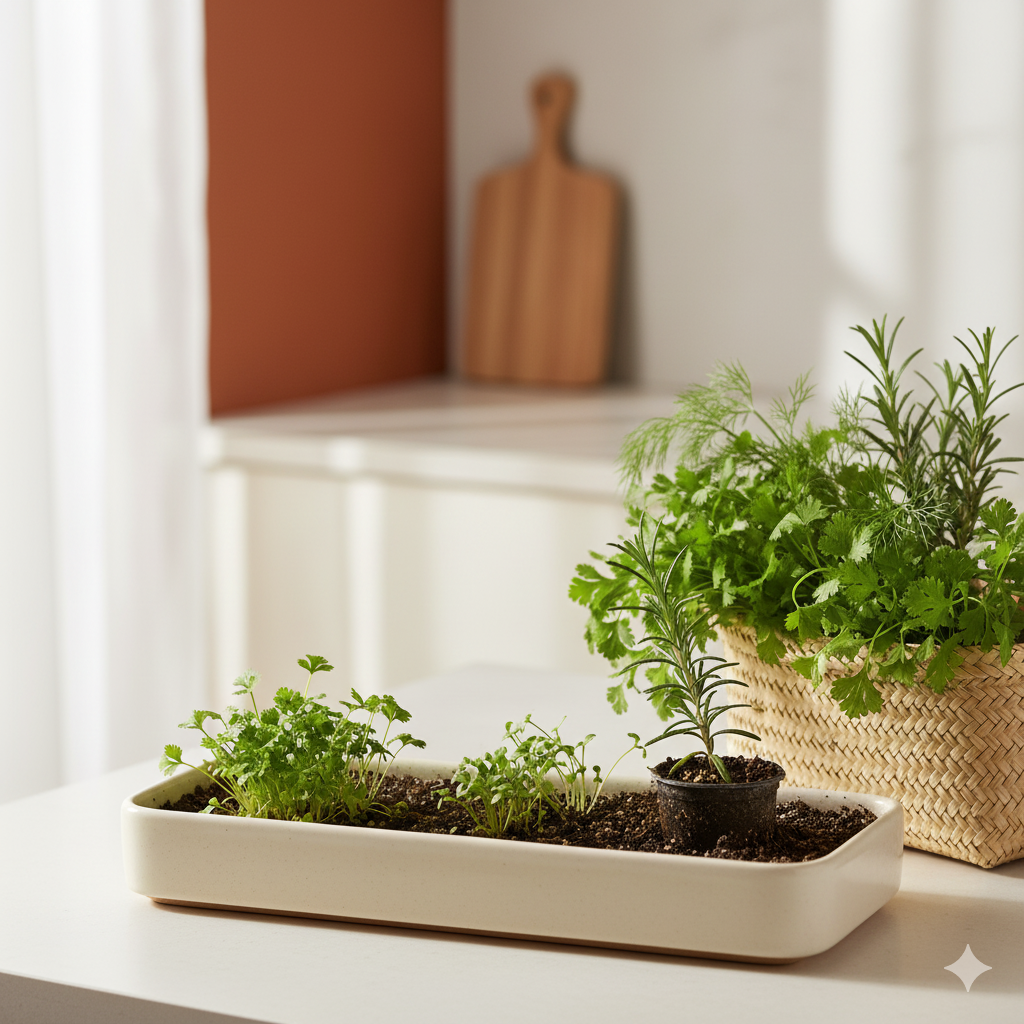
Avoid Planting These Herbs Together
Some herbs are natural rivals and should be kept separate to ensure healthy growth for all:
- Mint: Its aggressive root system spreads fast and will quickly choke out any neighbor. Always plant mint in its own container.
- Fennel: This herb releases compounds that can inhibit the growth of nearby plants.
- Dill: Keep dill separate from Mediterranean herbs (like rosemary and sage), as it attracts specific insects that can harm them.
The smart strategy is to group herbs with similar needs—e.g., coriander, methi, and dill together for moderate moisture, and rosemary and thyme together for drier soil.
FAQs: Your Quick Herb-Growing Answers
What is the easiest herb to start with in India? Tulsi (holy basil), mint, and coriander are the best beginner herbs. They require simple care and provide a quick, visible harvest.
How can I keep pests away naturally? Mix neem oil with water and spray it lightly on the leaves every two weeks. This is highly effective against common pests like aphids and whiteflies without using chemicals.
What is the ‘king of all herbs’ in India? Tulsi, or Holy Basil, holds this title. It is prized in Ayurveda as an adaptogen that helps the body manage stress, boosts immunity, and supports respiratory health.
Can I start an herb garden in September? Absolutely! September is one of the best months to start in most regions, allowing winter herbs like coriander and fenugreek to establish themselves beautifully in the cooling weather.